8 Early Warning Signs of Joint Degeneration in Senior Pets
As our furry companions age, joint health becomes a top priority. Detecting mobility issues early can significantly improve your pet’s quality of life. Keep an eye out for these 8 red flags of canine and feline arthritis:

1. Stiffness or Slow Rising: Difficulty getting up after sleeping or resting for long periods; often requires a “warm-up” period before moving normally.
2. Shortened Walks or Frequent Stops: A noticeable drop in stamina during exercise, or sitting down mid-walk to rest.
3. Reluctance to Jump: Hesitating or refusing to jump onto familiar spots like the sofa or bed.
4. Difficulty with Stairs: Navigating stairs with extreme caution, slowing down, or avoiding them entirely.
5. Changes in Gait or Limping: An uneven stride, limping on specific legs, or dragging paws while walking.
6. Joint Swelling, Heat, or Pain Sensitivity: Pulling away, growling, or hiding when certain joints are touched.
7. Frequent Licking of Joints: Obsessive grooming or licking around the knees, hips, or elbows, often triggered by localized discomfort.
8. Changes in Mood and Vitality:A sudden lack of interest in play, reluctance to go outside, or increased irritability due to chronic pain.
Quick Health Check:
0 Symptoms:Great job! Maintain a healthy weight and continue routine preventative care.
1–2 Symptoms: Possible early-stage joint degeneration. Consider starting joint supplements (like Glucosamine or Chondroitin).
3+ Symptoms: High probability of joint disease. Consult your veterinarian immediately for a professional evaluation.
How to Support Your Pet’s Mobility at Home
If you notice these signals, don’t panic! Beyond veterinary care, small lifestyle adjustments can significantly reduce the strain on your pet’s joints.
- Improve the Home Environment
Slippery floors are “invisible killers” for aging joints. Place non-slip mats or rugs in hallways and dining areas to prevent slips. For pets who love the sofa or bed, provide pet ramps or stairs to eliminate the impact of jumping.
- Low-Impact Exercise
Joint degeneration doesn’t mean bed rest. In fact, movement is essential to maintain muscle mass and ligament strength. Swap one long walk for multiple short, gentle strolls throughout the day. Avoid high-intensity running or excessive stair climbing.
-
Weight Management
Excess weight puts immense pressure on compromised joints (Marshall et al., Journal of Small Animal Practice, 2009). Maintaining an ideal body weight is the single most effective way to slow the progression of osteoarthritis.
-
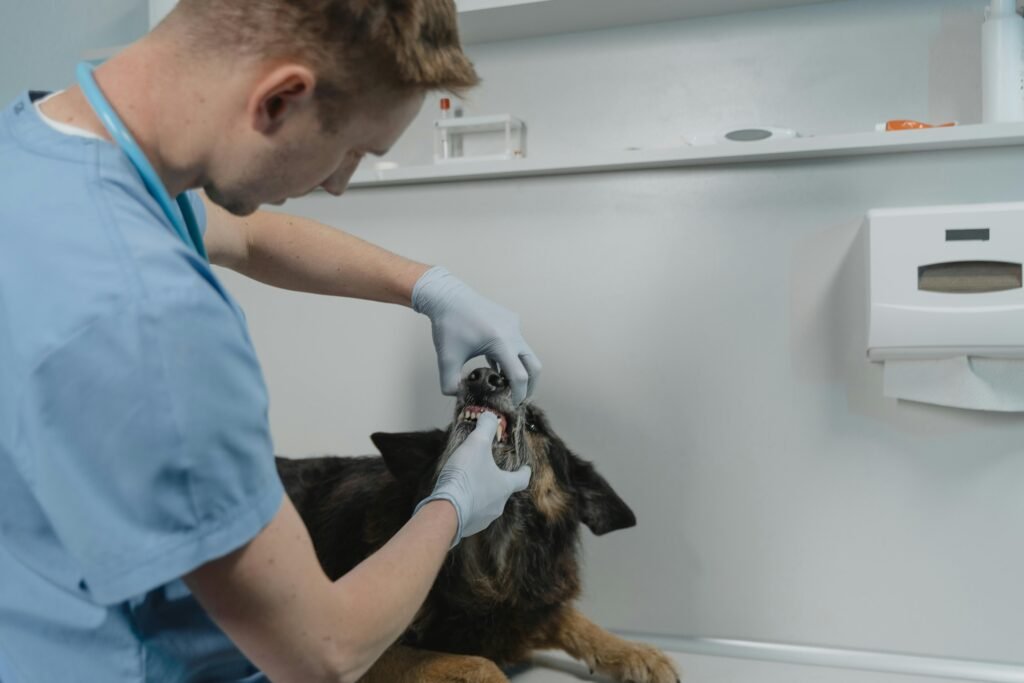
Regular Veterinary Check-ups
Schedule a comprehensive physical exam at least once a year, including orthopedic evaluations and X-rays. Early diagnosis of arthritis or hip dysplasia allows for a more effective long-term wellness and treatment plan.
Keywords:Senior pet care, dog arthritis symptoms, joint supplements for pets, pet mobility, hip dysplasia in dogs, aging pet health tips.