Pet Oral Care – Why It Matters and How to Do It Right
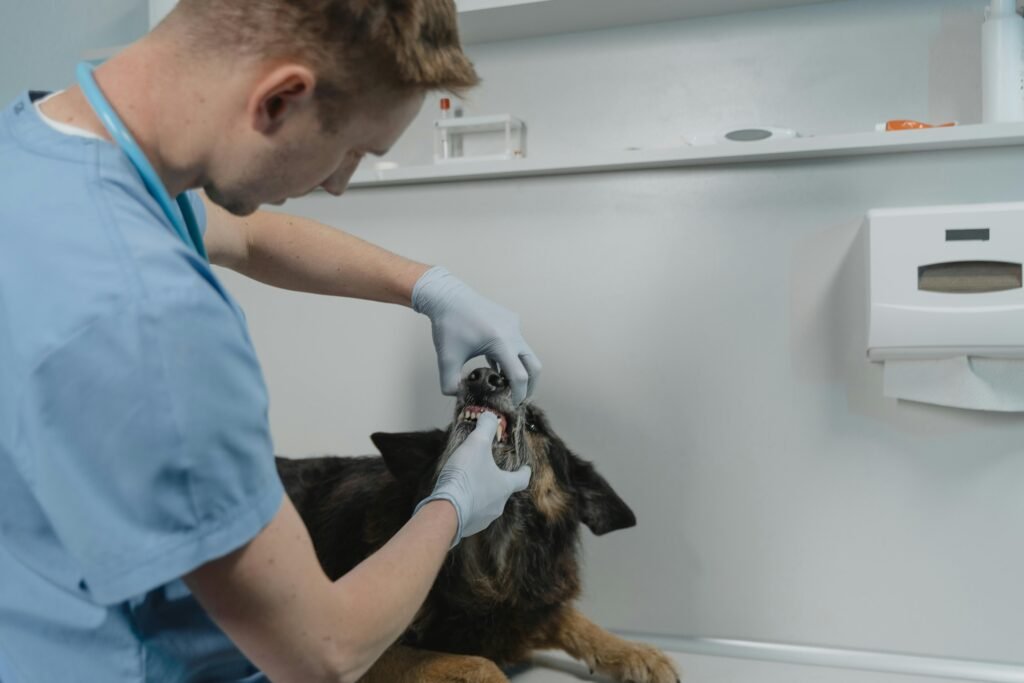
When it comes to pet care, oral health is often overlooked—but it’s one of the most important aspects of your pet’s overall well-being. Just like humans, pets can suffer from dental issues like cavities, gum disease, bad breath, and tooth loss, which can cause pain, discomfort, and even lead to more serious health problems. In fact, according to the American Veterinary Dental College, 80% of dogs and 70% of cats have some form of dental disease by the age of 3. The good news is that with proper oral care, most of these issues can be prevented. In this blog, we’ll explain why pet oral care matters, how to care for your pet’s teeth at home, and when to see a vet for professional dental care.
First, let’s talk about why oral care is so important for your pet. Poor oral hygiene can lead to a range of dental problems, including plaque and tartar buildup, gingivitis (inflammation of the gums), periodontal disease (infection of the gums and supporting structures of the teeth), cavities, and tooth loss. These issues can cause significant pain for your pet—they may struggle to eat, drool excessively, or avoid chewing on hard toys. But dental problems don’t stop at the mouth; if left untreated, bacteria from the mouth can enter the bloodstream and lead to more serious health issues, such as heart disease, kidney disease, and liver disease. This is why regular oral care is essential to keeping your pet healthy and happy.
Now, let’s dive into at-home oral care. The most effective way to keep your pet’s teeth clean is by brushing their teeth regularly. While it may seem daunting at first, with patience and practice, most pets can learn to tolerate (and even enjoy) teeth brushing. Here’s how to get started: first, choose the right tools. You’ll need a pet-specific toothbrush—these are smaller than human toothbrushes and have softer bristles, making them gentle on your pet’s gums. You can also use a finger brush (a small brush that fits over your finger) if your pet is more comfortable with that. Never use a human toothbrush, as the bristles are too hard and can damage your pet’s gums.
Next, choose a pet-specific toothpaste. Human toothpaste contains fluoride, which is toxic to pets if ingested, so it’s important to use a toothpaste made specifically for animals. Pet toothpastes come in a variety of flavors (like chicken, beef, or mint) that most pets find appealing, which can make the brushing process easier. Avoid using baking soda or other home remedies, as they can be abrasive and irritate your pet’s gums.
Now, it’s time to start brushing. Begin by letting your pet smell and taste the toothpaste—this will help them get used to it. Then, gently lift their lips and brush the outer surfaces of their teeth in circular motions. Focus on the back teeth, as these are the most prone to plaque and tartar buildup. Start with just a few seconds of brushing and gradually increase the time as your pet gets more comfortable. Aim to brush your pet’s teeth at least 2-3 times a week, but daily brushing is ideal for optimal oral health.
If your pet refuses to let you brush their teeth, don’t worry—there are other ways to support their oral health. Dental chews and treats are a great option; they help remove plaque and tartar as your pet chews, and they’re a fun way to keep their teeth clean. Look for dental chews that are approved by the Veterinary Oral Health Council (VOHC), as these have been tested and proven to reduce plaque and tartar. Avoid hard chews (like bones or antlers) that can break your pet’s teeth—opt for softer, digestible chews instead.
Another way to support your pet’s oral health is by providing them with dental toys. Toys that are designed to clean teeth (like rubber toys with ridges or rope toys) can help remove plaque as your pet plays. Just make sure to choose toys that are appropriate for your pet’s size and chewing habits—avoid small toys that can be a choking hazard.
In addition to at-home care, regular professional dental cleanings are essential. Even with daily brushing, plaque and tartar can build up on your pet’s teeth, especially below the gumline, where a toothbrush can’t reach. Professional dental cleanings are performed by a vet or a certified veterinary technician, and they involve scaling (removing plaque and tartar from the teeth), polishing (to smooth the teeth and prevent future plaque buildup), and a thorough exam of the mouth to check for any dental issues.
How often does your pet need a professional dental cleaning? It depends on their age, breed, and oral health. Puppies and kittens may need their first cleaning around 6-12 months of age, while adult pets typically need a cleaning every 1-2 years. Some breeds (like small dogs or brachycephalic breeds) are more prone to dental issues and may need more frequent cleanings. Your vet will be able to recommend a schedule that’s right for your pet.
It’s also important to know the signs of dental problems in your pet. If you notice any of the following, contact your vet immediately: bad breath, swollen or bleeding gums, yellow or brown tartar on the teeth, difficulty eating or chewing, drooling excessively, pawing at the mouth, or tooth loss. These signs could indicate gingivitis, periodontal disease, or another dental issue that needs treatment.
At Pet Paradise, we’re committed to helping you keep your pet’s mouth healthy. We offer professional dental cleaning services, as well as advice on at-home oral care. Our team of experts can help you choose the right tools and products for your pet, and we’ll work with you to create a dental care routine that works for both you and your furry friend. Remember, oral care isn’t just about fresh breath—it’s about keeping your pet healthy and pain-free for years to come.
In summary, pet oral care is an essential part of responsible pet ownership. By brushing your pet’s teeth regularly, providing dental chews and toys, and scheduling regular professional cleanings, you can prevent dental problems and keep your pet’s mouth healthy. If you’re unsure where to start, talk to your vet or visit Pet Paradise—we’re here to help. Your pet’s smile (and their overall health) will thank you!