Understanding the "Zoomies": Why Your Cat Randomly Blasts Off and How to Manage Their Energy
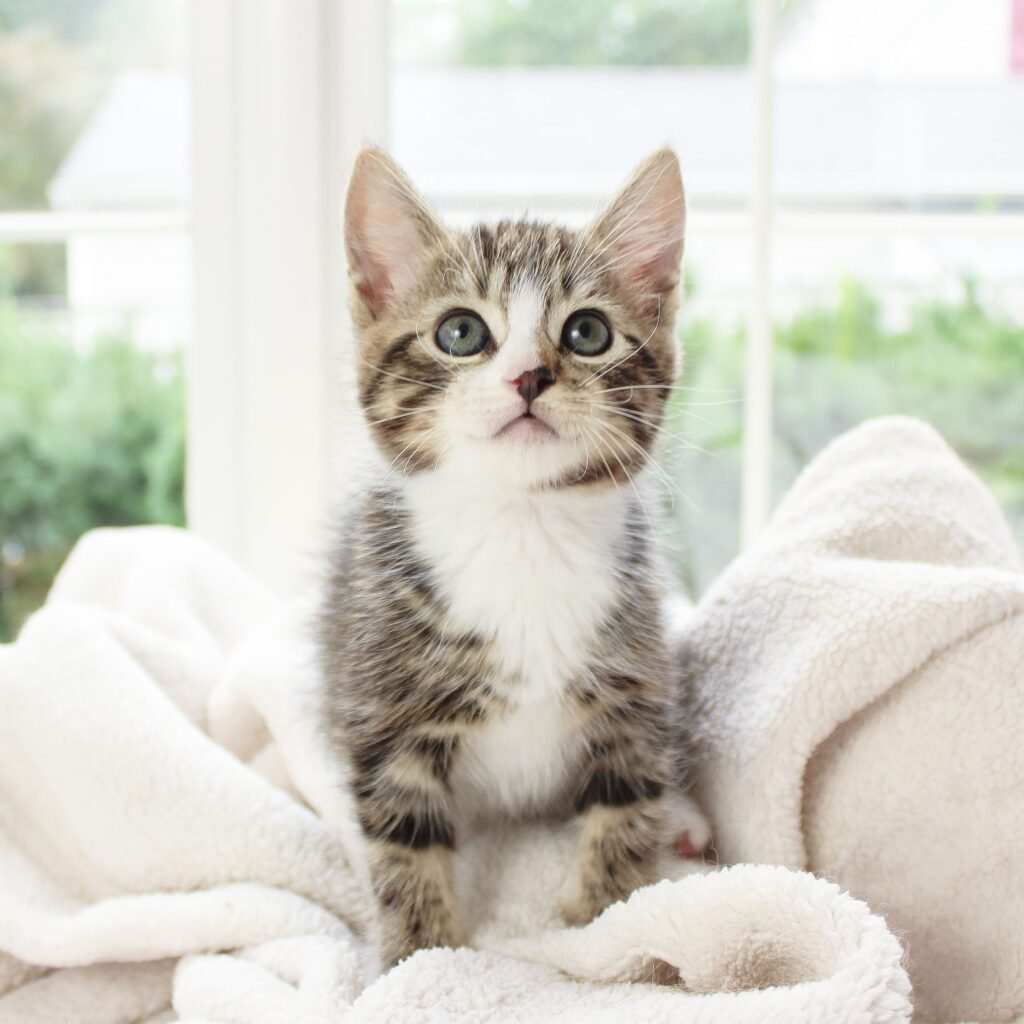
Ever witnessed your cat transform from a sleeping loaf into a fuzzy blur, tearing across the room, bouncing off walls, and chasing invisible prey? This sudden burst of high-octane energy—often called the “zoomies”—can be a bit jarring, but it’s actually a perfectly natural part of being a cat.
While it looks like pure chaos, these sprints are deeply tied to your cat’s physical and mental well-being. To be the best pet parent possible, it’s worth diving into why these “midnight 500s” happen and how you can help your cat “recharge” through proper play.
Why Do Cats Go Into "Beast Mode"?
In the world of animal behavior, these frantic runs are technically known as Frenetic Random Activity Periods (FRAPs), or simply the “zoomies”. This isn’t just your cat being a brat; it’s a biological release valve. Even though indoor cats don’t have to hunt for dinner, they are still hardwired predators with massive amounts of stored energy
Here are the three main reasons your cat suddenly hits top speed:
- Physical Energy Discharge: Cats spend the vast majority of their day napping. After hours of recharging, that energy hits a tipping point. When they finally wake up, they often need an immediate, explosive way to burn it all off
- Emotional Venting: Boredom or minor stress can build up in an indoor environment. A good sprint serves as a natural stress reliever, helping them blow off steam and reset their mood
- The Hunting Instinct: Evolution hasn't forgotten that cats are hunters. Those zig-zagging sprints and sudden leaps are essentially "shadow boxing" for predators—they are practicing the high-speed maneuvers used to catch prey in the wild
The Health Benefits of the "Zoomies"
While the sound of claws on hardwood at 2 AM might be annoying, these bursts are actually vital for your cat’s health:
- Mental Sharpness: "Zooming" helps lower anxiety and prevents the depression that can stem from a sedentary lifestyle
- Physical Fitness: These sprints act as high-intensity interval training (HIIT) for cats, keeping their joints flexible and their muscles toned
- Instinctual Fulfillment: Allowing a cat to act on its predatory urges—even if it's just chasing a dust bunny—keeps them mentally stimulated and engaged with their environment
How to Help Your Cat "Drain the Battery"
If your cat is zooming a bit too much (or at the wrong times), you can help them manage that energy more effectively with these strategies:
- Engage in Interactive Play: Cats need "work." Use feather wands or laser pointers to mimic the movement of birds or bugs. This directs their energy toward a "goal" and tires them out more effectively than solo play. Using high-quality, natural toys—like the Mimi’s Daughters felt wool collection—can provide a satisfying tactile experience that is also gentle on their claws
- Think Vertically: Cats live in 3D. If they have cat trees, shelves, or safe outdoor enclosures (enclosed patios), they can climb and jump rather than just running laps on the floor. This uses more muscle groups and burns energy faster
- Set a Play Schedule: Consistency is key. Dedicating 10-15 minutes of vigorous play every evening can help prevent those late-night energy spikes, ensuring both you and your cat get a better night's sleep
- Fuel the Hustle: High-energy play requires high-quality fuel. Ensure your cat is on a nutrient-dense diet that supports their muscle health and provides the clean energy they need for their daily adventures
The Bottom Line
A cat that “zooms” is a cat that is feeling vibrant and alive. By providing the right environment, the right toys, and a little bit of your time, you can turn those random bursts of energy into a healthy, bonding routine that keeps your feline friend happy for years to come