Does Your Dog Have a BFF? Here’s How Canine Friendships Actually Work
If you’ve ever watched your dog lose their mind with excitement when a specific Golden Retriever walks into the park, you’ve probably wondered: Is that actually their best friend? The short answer? Yes. Dogs aren’t just “pack animals” in a generic sense—they form deep, individual preferences for certain companions. But unlike us, they don’t bond over coffee or small talk. Their “friendship” is built on a specific, non-verbal language of play and mutual trust.
It’s All in the Body Language
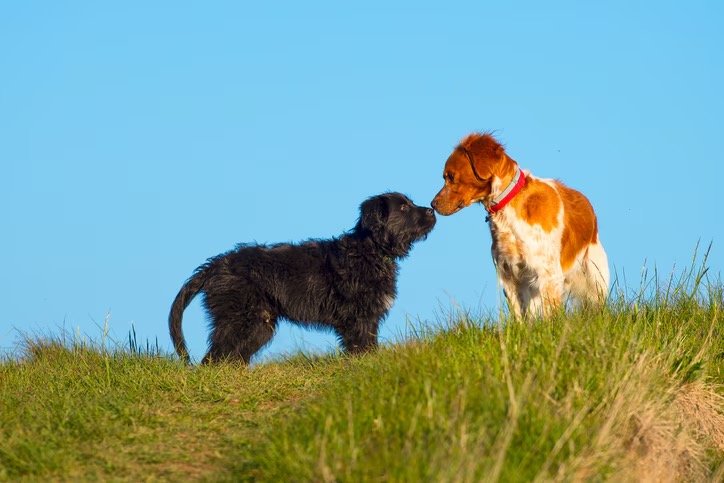
When dogs meet, they aren’t just sniffing for the sake of it; they’re performing a high-speed data download. A “polite” introduction usually starts with a mutual side-sniff and a relaxed posture.
If the vibe is right, you’ll see the ultimate green light: the play bow. When a dog drops their front elbows to the ground while keeping their rear up, they’re saying, “Everything I do next is just a joke.” If the other dog bows back, the friendship is officially under construction.
The Signs of a True "Bestie"
How do you tell the difference between a random playmate and a genuine bond? Look for these “affiliative” behaviors:
- Mutual Grooming: Licking each other’s ears or faces.
- The Lean: Choosing to sit or lie down right against the other dog.
-
Play-Fighting: Wrestling that looks intense but involves "soft mouths" and constant pauses to check in
- The Follow-Up: Does your dog look back to see if their friend is coming? That’s a sign of a real connection.
The "Critical Window"
While dogs can make friends at any age, their social “IQ” is largely built between 3 and 12 weeks of age. This is the critical socialization window. Puppies who meet a variety of friendly dogs during this time become much better at “reading the room” as adults. They know how to de-escalate a tense situation and how to signal to another dog that they’re open for fun.
It’s Okay to Be an Introvert
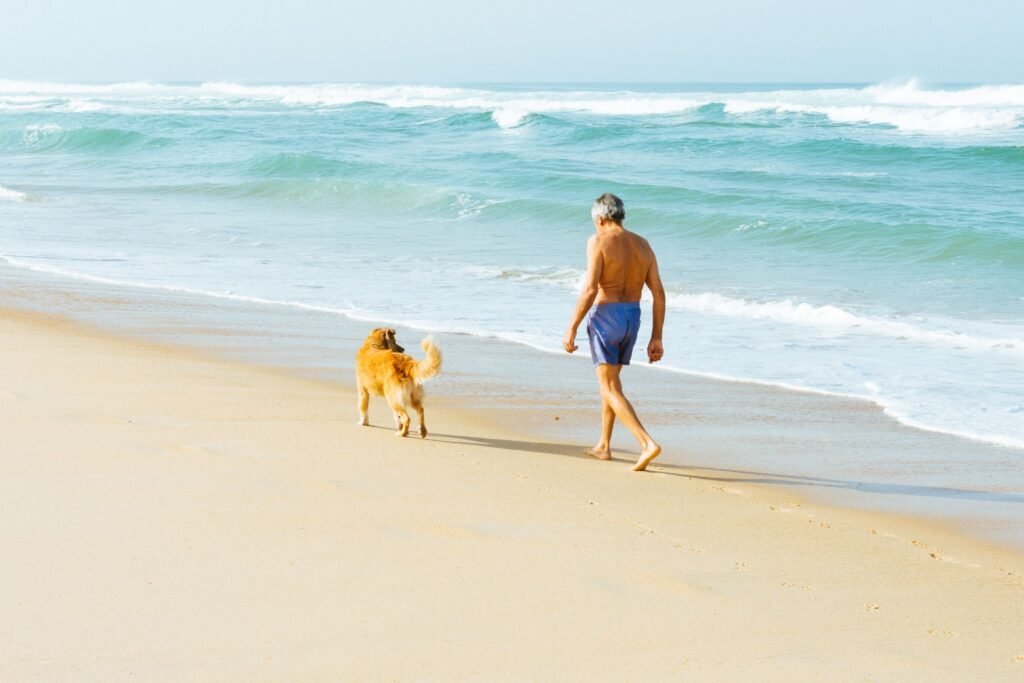
Here’s a truth most pet parents hate to admit: Not every dog needs or wants dog friends. Just like humans, some dogs are introverts. If your pup cringes at the dog park or prefers to stick by your side, don’t force it. For many dogs, their human is their “one and only,” and that’s perfectly healthy. Forcing a reactive or fearful dog into a “playdate” can actually do more harm than good, leading to increased anxiety rather than social growth.
The Perks of a Pal
For the dogs that do crave canine companionship, the benefits are huge. A regular playmate can:
- Boost Confidence: Anxious dogs often feel braver when their "security dog" friend is around.
- Burn Energy: Nothing tires a dog out like a 20-minute wrestling session.
- Improve Sleep: A socially satisfied dog is a dog that sleeps soundly through the night.
At the end of the day, canine friendship is about trust. Whether your dog has a “clique” at the park or just one special neighbor they adore, these bonds make their world—and ours—a little bit brighter.